Warning! Web API Url is not set for the Speaker Bios.
 Ruben Abagyan, PhD, Professor, Skaggs School of Pharmacy and Pharmaceutical Sciences, University of California, San Diego
Professor
University of California, San DiegoDr. Ruben Abagyan is a Professor at the Skaggs School of Pharmacy and Pharmaceutical Sciences at the University of California, San Diego, which he joined in 2009. He received his Master’s and Ph.D. degrees in molecular physics at MPTI and MSU. At the European Molecular Biology Laboratory in Heidelberg he developed internal coordinate mechanics and structural docking approach (ICM) for modeling and docking. He received his tenure at New York University and Courant Institute of Mathematics and continued at the Novartis Institute and the Scripps Research Institute in La Jolla, California. Dr. Abagyan serves on international review panels for Institutes in Switzerland, UK, EU, and Hong Kong. He received CapCure awards, Princess Diana Award and medal in Sydney, Australia, American Association of Colleges of Pharmacy Teacher of the Year award, and UCSD-SSPPS 'Faculty of the Year' awards. R.A. authored and co-authored 340 research papers and book chapters, with over 40,000 citations and H-index of 96. His research interests include computational structural biology, methods for structure prediction, docking screens, and cheminformatics, with a particular focus on computer-aided drug and target discovery. In addition to molecular profiles, he also studies the FDA clinical records and unexpected post-marketing side effects of therapeutics.
 Jacob Al-Saleem, Data Science & Analytics Tech Manager, DAI, CAS Chemical Abstracts Svc div of American Chemical Society
Data Science & Analytics Tech Manager
CAS Chemical Abstracts Svc div of American Chemical SocietyJacob Al-Saleem bridges molecular biology and artificial intelligence to unlock scientific knowledge at scale. As Lead AI Scientist for Life Sciences at CAS, he leads the development of the AI components powering CAS BioFinder, designing and deploying agentic AI systems that apply large language models, deep learning, and natural language processing to extract, connect, and reason across scientific literature and the CAS Content Collection — surfacing insights across ADME, toxicity, and molecular target spaces to accelerate drug discovery. His foundation in the life sciences runs deep: he holds a B.S. in Molecular Genetics and a Ph.D. in Molecular, Cellular, and Developmental Biology from The Ohio State University, with doctoral research focused on the molecular virology of Human T-cell Leukemia Viruses (HTLV).
 Siddique Amin, PhD, Senior Scientist, Peptide Chemistry, AstraZeneca
Senior Scientist
AstraZenecaSiddique joined AstraZeneca (Cambridge, UK) in 2025 as a Senior Scientist in Peptide Chemistry. He works on peptide hit-to-lead optimisation for targets across multiple therapy areas and also contributes to the development of next-generation peptide platforms. Prior to joining AZ, Siddique completed his PhD at Newcastle University under the supervision of Prof. Akane Kawamura where he worked on developing cell-permeable cyclic peptide libraries using mRNA display.
 Anders Bach, PhD, Professor, Drug Design & Pharmacology, University of Copenhagen
Prof
Univ Of CopenhagenAnders Bach earned his PhD in medicinal chemistry from University of Copenhagen in 2009. His research on peptidomimetic inhibitors for CNS led to a spinout company and clinical development. After a postdoc at the Italian Institute of Technology, he established his group at the University of Copenhagen in 2016, focusing on fragment-based drug discovery against protein-protein interaction targets involved in oxidative stress and inflammation. He was appointed professor in medicinal chemistry in 2023.
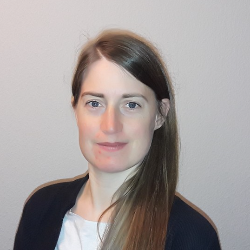 Anna Berteotti, PhD, Senior Research Scientist II, Molecular Design, BASF
Senior Research Scientist II
BASFAnna Berteotti, PhD, is a Computational Chemist at BASF with extensive experience in computer-aided drug design, molecular modelling, and protein engineering. She studied Pharmaceutical Chemistry and Technology at the University of Bologna and completed a PhD under Prof. Michele Parrinello, focusing on molecular dynamics and enhanced sampling methods. Following postdoctoral positions at the Italian Institute of Technology and EMBL Heidelberg, she joined BASF, where she leverages computational methods to drive innovation by integrating advanced simulations and data-driven approaches to support molecular design and discovery.
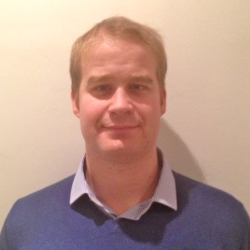 Anthony Bradley, D.Phil, Assistant Professor, Department of Chemistry, University of Liverpool
Assistant Professor
University of LiverpoolDr. Bradley is a multi-disciplinary scientist in computer-aided compound design using structural data. He completed a first-class MChem in Chemistry from the University of Oxford in 2010. He carried out an interdisciplinary DPhil also at the University of Oxford on the SABS-IDC programme. During this he developed computational tools (OOMMPPAA and WONKA) for structure-based drug design—working with the SGC Oxford and GlaxoSmithKline. Subsequent to his DPhil, he carried out a postdoc at the RCSB PDB (UC San Diego) where he worked on novel compression algorithms for macromolecules, including the MMTF file format. He then worked as a Project Leader with the Oxford Chemistry department, Diamond Light Source, and the SGC Oxford on the XChem project (high-throughput X-ray screening of fragments). Here he generated tools and future funding for fragment-based compound optimisation leveraging the XChem platform. From 2018 to 2024, he worked at Exscientia, where he developed their physics-based drug discovery platform. Now he leads an academic group at the University of Liverpool where his interests lie in using computation and automation to accelerate drug design.
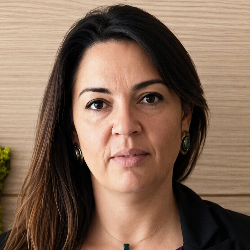 Danila Branca, PhD, Director, Head of Peptide Therapeutics, IRBM
Director
IRBMDanila Branca, Director and Head of Peptide Therapeutics at IRBM, where she oversees the company’s peptide research strategy and leads multidisciplinary teams dedicated to the discovery and development of innovative peptide-based medicines. She began her industrial research career at Merck Research Laboratories in Pomezia, where she gained extensive experience in medicinal chemistry and drug discovery before joining IRBM in 2010. Since then, she has played a pivotal role in establishing and expanding IRBM’s peptide drug discovery capabilities.
With more than 20 years of experience in industrial drug discovery, Danila has led peptide research programmes from target validation through candidate selection, with particular expertise in peptide medicinal chemistry, macrocyclic and constrained peptide design, structure-activity relationship studies, and translational drug discovery. Her contributions include the advancement of enlicitide (MK-0616), an orally bioavailable macrocyclic peptide PCSK9 inhibitor, as well as the discovery and development of oral peptide therapeutics for immune-mediated inflammatory diseases.
Her research is focused on oral peptide therapeutics, macrocyclic peptides, peptide conjugates, radiotheranostic agents, and innovative approaches to addressing traditionally difficult-to-drug targets. She is a co-inventor on numerous patents and author of multiple peer-reviewed publications in peptide chemistry and drug discovery. Throughout her career, she has contributed to the progression of multiple peptide programmes from early discovery into clinical development and has become widely recognised for her contributions to the advancement of peptide-based medicines.
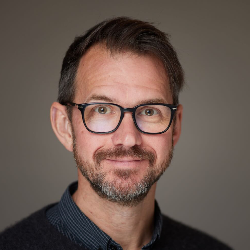 Paul Brennan, PhD, Professor, Nuffield Department of Medicine, University of Oxford
Professor
University of OxfordPaul Brennan received his PhD in organic chemistry from UC Berkeley. Following post-doctoral research at Cambridge University, Paul spent eight years working in the pharmaceutical industry at Amgen and Pfizer. After leaving Pfizer in 2011, Paul joined the Structural Genomics Consortium at the University of Oxford and led the chemical probes discovery effort on epigenetic targets. After leaving the SGC in 2019, Paul was Head of Chemistry and then Chief Scientific Officer of the Alzheimer’s Research UK Oxford Drug Discovery Institute where his research was focused on finding new treatments for dementia. In addition to dementia, over the course of his career, Paul has worked on discovering new medicines for cancer, incontinence, pain, rare diseases, and inflammation. Paul is currently Professor of Medicinal Chemistry and Director of the Centre for Medicines Discovery at the University of Oxford and a scientific advisor to the biotech and pharmaceutical industries. His research centre is focused on early medicines discovery for poorly treated diseases.
 Patrick Bryant, PhD, Assistant Professor, Molecular BioSciences, Stockholm University
Assistant Professor
Stockholm UniversityPatrick Bryant is an Assistant Professor at Stockholm University and SciLifeLab. His work lies at the intersection of structural biology and generative machine learning, with a specific focus on the de novo design of complex macrocycles and non-canonical peptide architectures. By engineering AI engines that operate beyond the constraints of natural evolution, his research group specialises in mapping uncharted sequence spaces to program multi-functional effectors for difficult targets.
 Giulia Caron, PhD, Associate Professor, Molecular Biotechnology & Health Sciences, University of Turin
Associate Professor
University of TurinGiulia Caron was awarded a Ph.D. in Pharmaceutical Sciences at the University of Lausanne (CH) and now she holds the position of Associate Professor at the Molecular Biotechnology and Health Sciences Department at the University of Torino. Her main scientific activity is the design, experimental determination and computational prediction of physicochemical descriptors related to ADME properties. Moreover, she has a deep expertise in the integration of Intramolecular Hydrogen Bonding (IMHB) considerations in drug design. She is now focusing on the bRo5 chemical space. To this respect she is deeply involved in lead optimization strategies to discover new oral PROTACs.
 Marcos Casado, Senior Associate, Invivo Partners
Senior Associate
Invivo PartnersMarcos is a Senior Associate at Invivo Partners, a Spanish venture capital firm based in Barcelona focused on early-stage investments and technology transfer in innovative areas of drug development. Invivo Partners manages three VC funds, including its first fund, Healthequity, launched in 2012; a second fund raised in 2019 with €60 million under management; and a third fund launched in 2024 with €80 million. Backed primarily by private investors and supported by institutions such as the European Investment Fund, Fond-ICO Global, the Catalan Finance Institute, the Valencia Institute of Finance and Barcelona City Council, Invivo Partners invests across Europe and leverages a strong co-investment network. Previously, Marcos worked at INKEF Capital in Amsterdam and held operational roles at several biotechnology companies. He holds a BSc in Biochemistry and a Master’s Degree in Business Management Applied to Biotechnology from the Biotechnology Business Institute. He currently serves as a Board Observer at Telomere Therapeutics and Eclova Therapeutics.
 Matthew Clark, President & CSO, X-Chem, Inc.
President & CSO
X-Chem, Inc.Matt is a world-recognized innovator and leader in the DNA-encoded library (DEL) field. He was part of X-Chem’s founding team and served as VP of chemistry and SVP of research prior to his appointment to the CSO position. Under his scientific leadership, the company developed from a niche chemical discovery platform to a world-leading drug discovery engine serving the biopharma industry. Before joining X-Chem, Matt was director of chemistry at GlaxoSmithKline, where he led the group responsible for design and synthesis of early-iteration DELs. He began his professional career at Praecis Pharmaceuticals, where he played a key role in the early development and implementation of technologies that would become the basis for DEL. Matt is a thought leader in the DEL space, with numerous patents and key DEL publications to his name. He received his B.S. in biochemistry from the University of California, San Diego, holds a Ph.D. in chemistry from Cornell University, and conducted postdoctoral studies at the Massachusetts Institute of Technology.
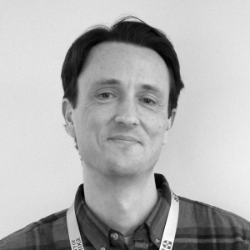 Dean Clift, PhD, Senior Director Biology, TRIMTECH Therapeutics
Senior Director Biology
TRIMTECH TherapeuticsDean carried out his early postdoctoral research at the LMB in Cambridge, UK with Dr Melina Schuh where he invented Trim-Away technology, which utilizes off-the-shelf antibodies and the natural function of intracellular antibody receptor and E3 ubiquitin ligase TRIM21 to rapidly degrade endogenous cellular proteins. Dean then worked with Dr Leo James, LMB to elucidate the mechanism of TRIM21 activation, before moving to TRIMTECH to exploit this mechanism to develop new therapeutics that selectively degrade pathogenic protein aggregates.
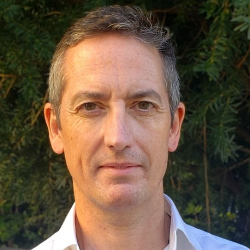 Ivan Cornella Taracido, PhD, CEO, Kiral Medicines
CEO
Kiral MedicinesIvan Cornella is a scientist and entrepreneur with over two decades of experience in pharmaceutical research and drug discovery. Most recently, he co-founded Covant Therapeutics, serving as Chief Scientific Officer. Throughout his career in both entrepreneurial and intrapreneurial roles within pharma and biotech, Ivan has led teams at Roivant Sciences, Cedilla Therapeutics, Merck, AstraZeneca, Sanofi, and the Novartis Institutes for BioMedical Research. He and his teams have been pivotal in integrating chemical and molecular biology, medicinal chemistry, pharmacology, and data sciences to advance drug discovery initiatives across diverse therapeutic areas.
Ivan is recognized as a subject matter expert and frequently consults for biotech firms. His professional network spans leading pharma and venture companies, startups, and academic thought leaders. He actively engages in mentoring junior scientists and in several professional science organizations.
He holds a Ph.D. in Chemistry from Universidade da Coruña, with postdoctoral fellowships completed at Harvard Medical School and Boston College. Additionally, Ivan has received executive training at MIT Sloan School of Management.
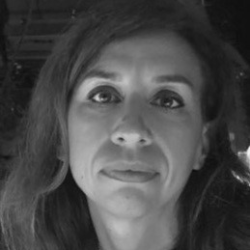 Simona Cotesta, PhD, Executive Director Medicinal Chemistry, Novartis Biomedical Research
Executive Director
Novartis Biomedical ResearchSimona Cotesta earned her PhD in Biochemistry from ETH Zurich in 2002, where she studied protein flexibility using molecular dynamic simulations. She then worked as a post-doctoral fellow in the molecular modeling groups of GSK, Pharmacia, and Roche from 2002 to 2005. In 2005, she joined Novartis' Computer Aided Drug Discovery (CADD) team in Basel. Since 2015, she has been a chemistry project team leader in the field of Oncology. Starting in 2022, she leads a group at the intersection of CADD and chemistry within Novartis' Global Discovery Chemistry team. From Sept. 2024, she is global Head of a Chemistry team, focusing on research in the field of renal and exploratory diseases.
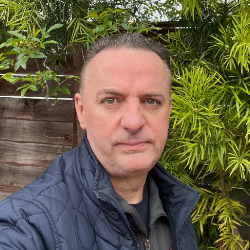 Peadar Cremin, PhD, Executive Director & Head of DMPK, Clinical Pharmacology & Toxicology, Circle Pharma Inc.
Executive Director & Head of DMPK
Circle Pharma IncPeadar Cremin, Ph.D., is Executive Director and Head of DMPK, Clinical Pharmacology, and Toxicology at Circle Pharma, where he leads DMPK, Clinical Pharmacology, and Toxicology supporting macrocyclic oncology programs spanning discovery through IND-enabling studies and early clinical translation, including the Cyclin A/B program CID-078. He has over 20 years of experience across Drug Discovery in Oncology, Cardiovascular, and Neurological indications. Prior to Circle Pharma, Dr. Cremin held scientific leadership roles at Cytokinetics, Xenoport, Kodiak Sciences and Relypsa. At Cytokinetics, he served as DMPK lead for the discovery of Aficamten and played key roles in advancing programs including Omecamtiv Mecarbil, and Ulacamten and Reldesemtiv. He earned his Ph.D. in Chemistry from University College Dublin under Dr. Dervilla Donnelly and completed postdoctoral training at the University of California, Davis under Professor Andrew Waterhouse.
 Steven Crossan, CEO & Founder, Dayhoff Labs
CEO & Founder
Dayhoff LabsSteve Crossan is the cofounder of Dayhoff Labs who’s mission is to reverse engineer the chemistry of life via its origins. He was a founding team member of AlphaFold at DeepMind and VP of AI at GSK. He has invested in and advised many AI bio companies including Relation, Automata, Syntensor, Peptone and Cradle and is a Scientific Advisory Board member at Danaher, Inc.
 Michael Dabrowski, CEO, Pelago Bioscience AB
CEO
Pelago Bioscience ABMichael Dabrowski, PhD, is the co-founder and CEO of Pelago Bioscience. Michael is a seasoned in vitro pharmacologist and biological assay developer with experience stretching from senior scientist and technology expert to project and scientific leader and manager. Michael has 30 years of Drug Discovery experience from Novo Nordisk, AstraZeneca and Pelago Bioscience across multiple therapeutic areas, with a strong track record of delivering on science, people and commercialisation.
 Goran Dahl, PhD, Associate Principal Scientist, Biophysics, AstraZeneca
Associate Principal Scientist
AstraZenecaGöran Dahl is a senior scientist at AstraZeneca's BioPharmaceuticals R&D site in Gothenburg, Sweden, where he is based in the Protein Sciences, Structural Biology, and Biophysics group within Discovery Sciences. He holds a PhD in Biochemistry from Uppsala University (2005-2009) and has worked in the drug discovery industry for over 15 years.
His research centres on the biophysical characterisation of drug-target interactions, with expertise in surface plasmon resonance (SPR), mass photometry (MP), dynamic scanning fluorimetry (DSF), isothermal calorimetry (ITC) and Spectral Shift (SpS) to support small molecule drug discovery programmes — from fragment screening all the way to clinical candidate selection.
Göran has contributed to a broad range of therapeutic areas at AstraZeneca and has co-authored many scientific publications, ranging from PROTAC characterization and safety, to binding kinetic – pharmacokinetic relationships.
 Jan Domanski, PhD, Senior Scientist, OpenFold
Senior Scientist
OpenFoldJan trained as a biochemist at Oxford (MBioch), working on molecular dynamics simulations with Mark Sansom and at D. E. Shaw Research. He co-founded Labstep (acquired by STARLIMS) before joining Charm Therapeutics as one of its early employees. At Charm, Jan led teams across software engineering and machine learning, developing the proprietary co-folding model DragonFold and working shoulder-to-shoulder with the discovery team — culminating in the nomination of Charm's Menin development candidate in 2025.
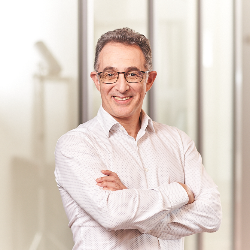 Santi Dominguez, Principal, Augur Ventures
Principal
Augur VenturesEconomist with 32 years' experience in the chemical, life science, and biopharmaceutical industries. Three times exited entrepreneur in the space; eleven board positions. Has led over 40 life-science investments as well as nine M&As (both buy- and sell-side). More than 30x investor returns.
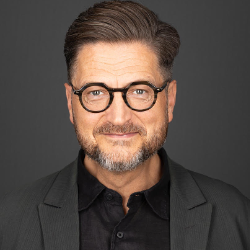 Lindsay Edwards, PhD, CTO, Relation Therapeutics Ltd.
CTO
Relation Therapeutics LtdLindsay is an internationally recognised leader at the interface of machine learning, computational biology, and drug discovery. He has served in senior roles in Fortune 500 companies (including GSK and AstraZeneca) and is currently CTO and President of Platform at Relation. He provides academic depth with a delivery focus and has led and scaled a range of organisations. He is currently a Scientific Advisor at The Broad Institute of MIT / Harvard. He was recently elected a Fellow of the Academy of Medical Sciences.
 Juan Felix Espinosa, PhD, Associate VP Biophysics, Early Molecule Discovery, Lilly
Associate VP
LillyDr. Juan F. Espinosa earned his Ph.D. in Chemistry from the Spanish Research Council in 1998, studying the solution and protein-bound conformations of C-disaccharide ligands under Prof. Jesús Jiménez-Barbero. He carried out research stays at the University of Lübeck, the German Cancer Research Center, and CERMAV-Grenoble before completing a Fulbright-supported postdoctoral fellowship at the University of Wisconsin-Madison, where he worked on the design and conformational analysis of beta-hairpin forming peptides with Prof. Samuel Gellman. He joined Lilly Research Laboratories in Spain in 2000, progressing through a series of scientific and leadership roles to his current position as Associate Vice President, where he leads the biophysics group at the Spanish Lilly site.
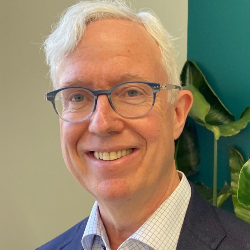 Rick Ewing, PhD, Vice President and Head of Chemistry, Rapafusyn Pharmaceuticals
Vice President
Rapafusyn PharmaceuticalsDr. Rick Ewing (William R Ewing) is a senior medicinal chemist experienced in leading teams to deliver development candidates, running academic collaborations and leading scientific assessments for business development opportunities.
Rick started his chemical career during his time as an undergraduate at West Chester University. After his first year, he took on an internship at the Chester County Health Department where he practiced analytical chemistry, testing water samples that were obtained throughout the county. After completed his first internship, Rick then took on a co-op position at Wyeth Laboratories in their Quality Assurance department. This again was an analytical chemistry position using both wet chemistry and instrumentation to assay final drug products and API for release to the marketplace as well drug stability testing to assess drug storage. The co-op was extended to cover Rick’s last three years at West Chester University. Rick received the ACS Philadelphia local undergraduate award for his scholastics and achievements at West Chester University. It was during his time at Wyeth that Rick became passionate about learning the art of drug discovery and hence decided to pursue a PhD degree. Rick entered the doctoral program at the University of Pennsylvania study under professor Madeline Joullie. At Penn, Rick took on the total synthesis of Didemnins and Detoxinines. During his third year, both Rick and Professor Joullie were approached by Dr. Paul Wiess (Professor emeritus in the University of Pennsylvania’s Chemical Engineering department) to work on the problem of delivering molecules to inhibit angiogenesis. This led to a productive drug discovery consortium with Prof. Joullie (U. Penn Chemistry), Dr. Juda Folkman (Harvard Medical School), and Prof Paul Wiess (U. Penn Chem. Engineering). Rick was involved in the consortium over his last two years of his time at U. Penn. Rick completed his PhD studies in the fall of 1988. Rick started his industrial career as a medicinal chemist at Rorer Pharmaceuticals, a small pharma company with labs in King of Prussia. He was fortunate to have project leadership on the first programs he worked on at Rorer. Rorer became a larger pharmaceutical company after being acquired by Rhone-Poulenc. Rick then had the great fortune to work in a global company that embraced overseas travel to increase exposure to diverse ways to do research as well as frequent trips to the RPR site in Vitry just outside Paris. The policies at RPR allowed Rick to present every year at Peptide and drug discovery conferences throughout his career at RPR. In addition to many GPCR targets, Rick worked in the area of discovering anti-thrombotic therapeutics by finding platelet and coagulation cascade inhibitors. In 1998 RPR merged with Hoechst to form Aventis. It was at this time that Rick was recruited to become a Group Leader at Bristol-Myers Squibb. Rick rose to senior director in small molecule drug discovery at Bristol Myers Squibb where he led medicinal chemistry teams in the therapeutic areas of cardiovascular, diabetes, obesity, and heart failure. In these areas, Dr. Ewing led medicinal chemistry teams to deliver over 15 development candidates. Among these are Milvexian, a first in class Factor XIa inhibitor currently in PIII development (Janssen/BMS). In addition to his roles in medicinal chemistry, Rick led the BMS chemistry awards program for more than 10 years. The awards program recognized graduate students through a 1 year graduate fellowship and pre-tenure professors with a two year unrestricted grant. The awards program included an awards symposium at BMS with the awarded professors and graduate students presenting. Rick led the two BMS academic collaborations with Scripps and Princeton where he helped build research programs directed at addressing long range synthetic and structural chemistry problems relevant to medicinal chemistry. Over his last 5 years at BMS, Rick took on additional responsiblities through a lead role in the scientific assessment of external assets and technologies to potentially be brought into BMS. In this role, Rick took part in over 100 scientific evaluations in business development across multiple therapeutic areas including oncology, immunology, fibrosis, heart failure and platform technologies. From this effort, Rick developed a strong interest in joining biotech. He went on to begin his biotech career in the position of Vice President, Head of Drug Discovery at the Barer Institute, a discovery phase oncology biotech company. After the Barer Institute, Rick joined Rapafusyn as VP, Head of Chemistry where he continues his research career in discovering Type I molecular glues to inhibit intracellular PPIs of aberrant proteins.
Rick is co-inventor on 75 patents, and co-author on 74 peer reviewed publications. In 2023, Rick was awarded the 2023 Edison Patent Award in Biotechnology, a team award for research done with BMS and the Scripps Institute. Also in 2023, Rick received the Philadelphia Section Award for his lifelong achievements in drug discovery research. In 2021, he was awarded the American Chemical Society (ACS) Fellow for his scientific achievements and contributions to the Society, and in 2018 received the Ondetti-Cushman award for leadership of the FXIa team that discovered Milvexian.
 Jose Carlos Gómez-Tamayo, Principal Scientist , CADD, Johnson & Johnson Innovative Medicine
Principal Scientist
Johnson & Johnson Innovative MedicineJose Carlos Gomez-Tamayo is a Scientist in the In-silico discovery group at Johnson & Johnson Innovative Medicines. In this role, he provides comprehensive support to projects, particularly those in their early stages, as part of a dynamic team dedicated to fast-tracking hit identification to hit-to-lead. He takes on both technical and functional capacities, delivering the necessary tools and analyses to address project needs from a multidisciplinary perspective. Additionally, his work involves the development and integration of AI/ML models in the drug discovery pipeline, with a specialization in 3D binding affinity prediction and generative models.
 Thomas P. Garner, PhD, Principal Scientist, Biophysics, Genentech, Inc.
Principal Scientist
Genentech IncThomas Garner joined Genentech in 2020. He is a Principal Scientist in the Biochemical and Cellular Pharmacology (BCP) department. Thomas is the BCP and biophysics representative on several key pipeline projects at Genentech, developing SPR and other biophysics assays to facilitate hit finding and hit-to-lead development at Genentech. Thomas earned his MSci. in Biochemistry and Biological Chemistry at the University of Nottingham in the United Kingdom. Thomas continued his studies at the University of Nottingham to earn a PhD in the Biological Chemistry Department, with a focus on NMR-based structural biology and biophysics of protein-protein and DNA-drug interactions. In 2010, he moved to the United States as a postdoctoral fellow at Louisiana State University. In 2012, he joined the Gavathiotis lab at the Albert Einstein College of Medicine (AECOM). While at AECOM, he studied the regulation and inhibition of Bcl-2 family proteins and became faculty in 2017.
 Stefan Geschwindner, PhD, Director, Biophysics, AstraZeneca R&D Gothenburg
Director
AstraZenecaDr. Stefan Geschwindner is currently a Director at AstraZeneca R&D Gothenburg in Sweden where he is heading the Biophysics department within Discovery Sciences. His team is involved in every stage of early drug discovery, ranging from identifying and validating targets, finding and validating potential hits, generating leads (including fragments), and optimizing them, all the way to selecting candidate drugs. They employ diverse biophysical techniques to guide early drug discovery projects, assessing compound-target interactions and their mechanisms of action. Additionally, they play a pivotal role in advancing fragment-based lead generation strategies. He obtained his Ph.D. at the University of Frankfurt/Germany working predominantly with NMR to elucidate protein structures. After his Ph.D. he joined the Astra Structural Chemistry Laboratory with focus on protein engineering and characterization and helped to implement a variety of different biophysical techniques in the early drug discovery process. Before moving into his current role, he had different roles as Team leader in Protein Engineering and as Principal Scientist in Biophysics. His over 50 peer-reviewed publications are frequently cited leading to an h-index of 26.
 Ashwini Ghogare, PhD, MBA, GenAI Leader, Start-Ups, Life Sciences & Healthcare, Amazon Web Services
GenAI Leader
Amazon Web ServicesAshwini Ghogare is a GenAI Leader for Life Sciences and Healthcare Startups at Amazon Web Services (AWS), where she advises techbios to harness the power of generative AI, cloud, and automation to accelerate scientific breakthroughs and bring therapies to patients faster. Previously at Merck KGaA, Darmstadt, Germany she led an intrapreneural corporate venture on AI and automation for drug discovery building the first-in-class AI-native fully autonomous R&D lab for Life Science and Healthcare sectors. Her significant experience developing and launching scientific GenAI solutions, incubating new techbio ventures, and commercializing enterprise solutions culminated in the successful launch of the AI-powered drug design solution, AIDDISONâ„¢ and global success of Synthiaâ„¢, a leading retrosynthesis design solution. Recognized globally as a thought leader, Ashwini has delivered keynotes at major industry forums, including DAVOS, and has been honored among the Top 100 AI Leaders and as AI Leader of the Year (2025). She holds a Ph.D. in Oncology Research and an MBA from the Wharton School of Business.
 Victor Guallar, PhD, Professor, Barcelona Supercomputing Center and Nostrum Biodiscovery
Professor
Barcelona Supercomputing Center and Nostrum BiodiscoveryCurrently an ICREA Professor at the Barcelona Supercomputing Center (BSC), Dr. Guallar completed his PhD in theoretical Chemistry between the University Autonomous of Barcelona (Spain) and UC Berkeley (USA) in January 2000. After three years as a postdoctoral researcher at Columbia University (New York, USA), he was appointed assistant professor at Washington University School of Medicine (St Louis, USA), before moving his group to BSC in 2006. His laboratory (EAPM) has grown considerably since, keeping a productive international character, and developing important contributions in computational biophysics, such as the protein-ligand modeling software PELE, and biochemistry, including computational algorithms for enzyme engineering and the introduction of the first PluriZyme (enzyme with multiple actives sites).As a BSC researcher, Prof. Guallar has been awarded several important research projects, including the award of a prestigious advanced ERC grant (the youngest researcher to receive it in Spain). His research has produced over 140 papers in international journals and directed 16 PhD thesis. In addition to algorithms development (and their application), the group has recently placed importance in adding interdisciplinary fields to our research, such as visualization techniques, data mining and software optimization through machine learning algorithms. Prof. Guallar is also founder of the first spin off from BSC, Nostrum Biodiscovery, a young biotech enterprise created in 2016 which aims to collaborate with pharmaceutical and biotech companies dedicated to the development of drugs and molecules of biotechnological interest. The company currently works with clients in North America, Europe, Asia, and Oceania.
 Jordina Guillen, PhD, VP, Head of Biology & Translational Science, Nuage Therapeutics
Vice President and Head
Nuage TherapeuticsJordina has served as Head of Science at Nuage since the company’s founding in 2021. Prior to joining Nuage, she built her scientific career at the Max Planck Institute of Molecular Cell Biology and Genetics (MPI-CBG) and the Institute for Research in Biomedicine (IRB Barcelona), where she focused on the molecular mechanisms regulating intrinsically disordered proteins within cells. Her research has been published in leading peer-reviewed journals and recognized through competitive fellowships, including the EMBO Long-Term Fellowship and the Torres Quevedo program. She holds a PhD in Molecular and Cellular Biology and a Master’s degree in Biomedical Research.
 Zander Harteveld, PhD, Principal, Data and Computational Science, Orbis Medicines
Principal Scientist
Orbis MedicinesZander Harteveld is a Principal Scientist at Orbis Medicines, where he develops computational and machine learning methods for the discovery and design of cyclic peptide therapeutics targeting challenging protein-protein interactions. Prior to joining Orbis, he was a Scientist at Generate Biomedicines, where he contributed to antibody discovery programs and developed machine learning methods integrating experimental data for de novo antibody design.
He earned his Ph.D. from EPFL in the Laboratory of Protein Design and Immunoengineering, where he developed computational methods for studying and designing novel proteins and protein-protein interactions using sequence-, structure-, and surface-based representations. His work has been published in journals including Nature, PNAS, Nature Chemical Biology, and Nature Methods.
His research interests lie at the intersection of machine learning, molecular design, and drug discovery, with a particular focus on developing therapeutics for challenging protein-protein interactions.
 Ingo Hartung, PhD, Head, Medicinal Chemistry & Drug Design, Merck KGaA
Executive Director
Merck KGaAIngo V. Hartung is a synthetic organic chemist by training (PhD University of Hannover/Germany, Postdoc Stanford University/US) with 20+ years of Pharma industry experience (Schering AG, Bayer AG, Merck KGaA). He has been project leader in oncology drug discovery and has had portfolio responsibility for preclinical research in the areas of epigenetics and immuno-oncology. Ingo is heading Merck’s global Medicinal Chemistry & Drug Design department which is driving drug discovery projects in oncology & immunology covering various types of small molecule modalities (inhibitors, degraders, antibody-drug conjugates). His research interests comprise all aspects of innovation in small molecule drug discovery. He is the author of >50 scientific publications and patents and board of director member of the Israeli Biotech company TenAces Biosciences.
 Felix Hausch, PhD, Professor Biochemistry, Structure Based Drug Discovery, Technical University of Darmstadt
Prof Biochemistry
Technical Univ of DarmstadtThe Hausch lab focusses on new drug modalities with new modes of action, from fundamental concepts for their discovery to proof-of-concept in animal models. This encompasses macrocycles and molecular glues. Felix Hausch studied chemistry in Darmstadt, Berlin and Bordeaux, gained industry experience at ESBATech (Zurich, CH), was group leader at the MPI of Psychiatry (Munich, DE), and is professor at the Tun Darmstadt since 2017. He authored >140 articles (h=45) and >10 patents. He was the coordinator of the research consortia TRABITA, iMIP, 51TaValP, is a core member of the research cluster ProxiDRUGS, and currently coordinates the EU consortium MC4DD, which focusses on macrocycles and features an online lecture series on macrocycles.
 Johannes C. Hermann, PhD, CTO, Frontier Medicines
Chief Technology Officer
Frontier MedicinesJohannes Hermann is an early pioneer in AI-driven drug discovery, with over a decade of leadership experience across healthcare and pharmaceuticals. As CTO of Frontier Medicines, he is building Frontier's Covalent AI platform—purpose-built AI systems powered by the company's proprietary Covalent Ground Truth (CoGT) dataset—to discover breakthrough drugs against historically undruggable targets. Previously, Johannes served as global head of data science at Johnson & Johnson Medical Devices Technology, integrating AI into digital surgery, patient rehabilitation, and personalized treatment. At Janssen Pharmaceuticals, he led machine learning and advanced analytics across the full pharmaceutical value chain. He began his career at Roche as a data scientist and drug designer, and holds a PhD in quantum and molecular mechanics from the University of Düsseldorf, with postgraduate work at the University of Bristol and UC San Francisco.
 Lukas Heuberger, Application Scientist, R&D, lino Biotech AG
Application Scientist
lino Biotech AGLukas Heuberger is Application Specialist and Surface Chemist at lino Biotech AG, a Miltenyi Biotec company. He holds a PhD in nanosciences from the University of Basel, summa cum laude, where he developed microfluidic high-throughput screening assays based on polymer vesicles, and an MSc in biomedical engineering from ETH Zurich. He first worked on focal molography during his master's thesis at the ETH Laboratory of Biosensors and Bioelectronics, on protein-based backfilling for DARPin-based molograms. At lino Biotech he works on mologram surface chemistry and DNA-directed immobilization, and he is a co-author of the recent Journal of Medicinal Chemistry paper on high-throughput kinetic validation of DEL-derived hits by focal molography.
 Jürgen Hinrichs, PhD, Senior Principal Scientist, GDC Oncology, Novartis Biomedical Research
Senior Principal Scientist
Novartis Biomedical ResearchJürgen Hinrichs completed his PhD in Germany, working on stereoselective biaryl synthesis with G. Bringmann in Würzburg. After a postdoc on the total synthesis of the marine toxin azaspiracid with K. C. Nicolaou at Scripps, La Jolla, USA, he joined Novartis in Basel, Switzerland, in 2002. Jürgen started in the CombiChem group and then transitioned to Oncology where he has worked on several small (and not so small) molecule projects, and more recently also on degraders, ADCs and now RLTs. He was a key contributor to the discovery of the WRN helicase inhibitor HRO761, which went to Ph. 1 for MSI colorectal cancer.
 Anders Hogner, PhD, Senior Director, Head of Computational Chemistry CVRM, AstraZeneca R&D
Senior Director, Head
AstraZeneca R&DAnders Hogner PhD, is a drug hunter with +20 years’ experience in the pharmaceutical industry in the field of chemistry/computer aided drug design. Anders is currently head of Computational Chemistry in Medicinal Chemistry in Early Cardiovascular, Renal, and Metabolism, BioPharmaceuticals R&D. Part of Anders role involves co-leading AstraZeneca’s CADD strategy, global lead of IT demands from the business, and part of team delivering AstraZeneca’s Augmented Drug Discovery environment. During 2017-2018 Anders also acted as interim head of Computational Chemistry for Respiratory, Inflammation and Autoimmunity (RIA) disease unit. He has proven-track record of impacting projects milestones through innovative approaches resulted in being named co-inventor on 3 clinical drug projects and ability to bring in new methodologies and collaborations. He is passionate about talent management, mentoring, and developing people to achieve key deliverables in a performance-driven setting.
 Ryan A. Hollibaugh, PhD, Principal Scientist, Jnana Therapeutics
Associate Director
Jnana TherapeuticsRyan is an associate director in the medicinal chemistry group at Jnana Therapeutics. In that role he leads multiple programs across both the immune and rare disease portfolios. Prior to joining Jnana in 2020 he received his PhD from the University of California Los Angeles and completed a postdoctoral fellowship with Jef De Brabander at UT Southwestern, where he focused on the total synthesis of the macrolide antibiotic Fidaxomicin.
 Ken Hsu, PhD, Stephen F. and Fay Evans Martin Endowed Associate Professor, Department of Chemistry, The University of Texas at Austin
Associate Professor, Stephen F. and Fay Evans Martin Endowed Professorship, CPRIT Scholar
University of TexasProf. Hsu earned his PhD in Chemistry and Biochemistry from The University of Texas at Austin and completed his postdoctoral training at The Scripps Research Institute. The Hsu Laboratory focuses on the discovery of bioactive molecules. A central theme of the group is the development of covalent probes and inhibitors for investigating protein and lipid activity. Research in the group is multidisciplinary and uses a combination of organic synthesis, bioanalytical chemistry, and bioorganic chemistry. Current efforts include identifying new reactive chemistry, quantifying ligandability of proteins on a proteomic scale, and deciphering structure and function of membrane signals in living systems. Ultimately, the goal is to develop new molecules to enable chemical biology and therapeutic discovery. Prof. Hsu’s research program has been recognized by several awards including the highly competitive NIH K99/R00 Pathway to Independence Award, Department of Defense CDMRP Career Development Award, Melanoma Research Alliance Young Investigator Award, the NSF CAREER Award, the Emerging Leader Award from The Mark Foundation for Cancer Research, and CPRIT Recruitment of Rising Stars Award.
 Fergus Imrie, DPhil, Associate Professor, Department of Statistics, University of Oxford
Associate Professor
University of OxfordFergus is an Associate Professor at the University of Oxford in the Department of Statistics and part of the OpenBind consortium. Previously, he was a Florence Nightingale Bicentenary Fellow at the University of Oxford following a postdoc at the University of California, Los Angeles (UCLA). He completed his DPhil (PhD) at the University of Oxford with Professor Charlotte Deane. His research focuses on developing machine learning methods for drug discovery, with a particular focus on structure-based methods, experimental design, and decision-making in drug discovery.
 Fanny Jaulin, PhD, Co-Founder & CEO, Orakl Oncology SAS
Co-Founder & CEO
Orakl Oncology SASDr. Fanny Jaulin, CEO of Orakl Oncology, brings 20 years of expertise in cancer cell biology and precision oncology. Motivated by a deep commitment to turning fundamental discoveries into clinical impact, she first established her academic lab at Gustave Roussy to bridge basic biology with real-world therapeutic applications. Through interdisciplinary collaborations with clinicians, engineers, and biologists — across both academia and industry — she spearheaded translational initiatives using tumor avatars to advance personalized cancer care.
Driven by the ambition to build transformative solutions and deliver on the promise of precision medicine for patients, Dr. Jaulin launched Orakl Oncology, a Gustave Roussy spin-off, in 2023. Orakl’s mission is to disrupt oncology drug development with a first-in-class, AI-native predictive platform. By integrating patient-derived biology, advanced AI, and real-world clinical data, Orakl uncovers novel drug targets, predicts patient responses, and accelerates the journey from discovery to clinical success.
Dr. Jaulin was recently awarded the Académie de Médecine prize and recognized in the Norrsken Impact/100, highlighting the top 100 most promising impact startups globally.
 Charles Johannes, PhD, Founder & Principal, EPOC Scientific; President & Co-Founder, Peptide Drug Hunting Consortium (PDHC)
Founder, Chief Scientist
EPOC Scientific LLCCharlie Johannes is the Founder, President, and Chief Scientist at EPOC Scientific, CO-founder, VP and board member of the Peptide Drug Hunting Consortium, and former Vice President of Exploratory Chemistry at Fog Pharmaceuticals, where he helped pioneer the development of hyper-stabilized helical peptides (Heliconsâ„¢). With over 25 years of experience as a drug hunter and platform innovator, Charlie has led efforts in novel modality design, medicinal chemistry, and chemistry-enabled therapeutic platforms across industry and academia.
At EPOC, he advises biotech startups, RLT companies, and venture firms on peptide therapeutics and translational strategy, with clients including Unnatural Products, 48Hour Discovery, Atommap, and others. Previously, he served as Head of Organic Chemistry at ASTAR in Singapore, where he led national peptide drug discovery initiatives, secured over $60 million in funding, and forged a landmark collaboration with Merck. He also held key scientific leadership roles at Forma Therapeutics, Infinity Pharmaceuticals, Eisai, and multiple research institutes under ASTAR.
Charlie earned his Ph.D. in Organic Chemistry from Boston College under Prof. Amir Hoveyda, where he developed early applications of Ring Closing Metathesis for macrocycle and natural product synthesis.
 Carina A. Johansson, PhD, Associate Principal Scientist, Protein Structure & Biophysics, Discovery Sciences AstraZeneca
Associate Principal Scientist
AstraZenecaCarina is currently an associate principal scientist in the biophysics team at AstraZeneca. She holds a PhD in Biochemistry from the University of Gothenburg, where her early research focused on the structure and function of proton pumps. She then carried out postdoctoral research at UCLA, studying protein–RNA complexes including nucleolin and snoRNPs, before returning to Sweden for a postdoctoral role at AstraZeneca in Gothenburg, where she worked on nuclear hormone receptors. With more than 20 years of experience in drug discovery, Carina has built broad expertise in biophysics and a strong interest in mechanistic studies, particularly for challenging targets such as RNA and intrinsically disordered proteins. She has applied a wide range of techniques, including NMR, SPR, and HDX-MS.
 Aleksandra Karolak, PhD, Assistant Professor, Department of Machine Learning, Moffitt Cancer Center & Research Institute
Assistant Professor
Moffitt Cancer Center & Research InstituteAleksandra Karolak is the Assistant Member in the Machine Learning Department at the Moffitt Cancer Center, where she leads the Molecular AI Lab. She moved to the USA with an MSc in Metal-organic Chemistry from Adam Mickiewicz University in Posen, Poland (1995-2000). She earned her PhD in Computational and Biophysical Chemistry from the University of South Florida in Tampa, FL, United States (2010-2015). Her research focused on the application and development of computational algorithms to study conformational changes in DNA and proteins.
After completing her PhD, Dr. Karolak underwent her first postdoctoral training in the Integrated Mathematical Oncology Department at Moffitt Cancer Center also in Tampa (2015-2018) working on development of mathematical models for i) imaging and therapeutic agents delivery to solid tumors and ii) organoids growth. Her second postdoctoral training took place at the Institute for Research in Biomedicine in Barcelona, Spain, during which she held a prestigious Marie Curie – ProBIST fellowship. She worked on development of models for mutational signatures predictions using DNA shape as well as predictions of interactomes. Before re-joining Moffitt as a faculty member, she worked at the Population Sciences and Quantitative Medicine Departments at City of Hope Cancer Center as an Assistant Research Professor. Her research included applications of information theory to immuno-oncology and development of quantitative systems pharmacology models for patients undergoing transplant treatment.
Dr. Karolak is a data scientist with a background in computational chemistry, mathematical oncology, and machine learning. Her scientific interests revolve around elucidating tumor molecular heterogeneity, understanding DNA and protein mutations, treatment optimization, and drug discovery. Exploiting cross-disciplinary research, her team aims to apply and develop accurate machine learning and other computational models to challenge existing hypotheses and propose new, more effective precision medicine approaches that can be translated into the clinic.
 Jan Kihlberg, PhD, Professor, Organic Chemistry, Uppsala University
Professor
Uppsala UniversityJan Kihlberg holds a chair in Organic Chemistry at Uppsala University, Sweden since 2013. His key research interests are to understand what properties convey cell permeability, aqueous solubility and target binding to drugs in the beyond rule of 5 space and to translate this knowledge into guidelines for design. He has published over 200 peer–reviewed publications and book chapters. Before moving to Uppsala Prof. Kihlberg spent 10 years at AstraZeneca R&D in Gothenburg, 7 of which as Director of Medicinal Chemistry.
 Marie-Helene Larraufie, PhD, Director of Cell and Molecular Biology, Almirall R&D
Director - Molecular and Cell Biology
Almirall R&DDr. Marie-Hélène Larraufie is currently Director of the Molecular and Cell Biology department at the pharmaceutical company Almirall (Barcelona, Spain). Her team leads in vitro biology activities for new therapeutic hypothesis generation, as well as small-molecule and biologics programs. As part of her role, Marie has been spearheading several collaborative efforts between Almirall and academic teams to explore the potential of proximity-induced degradation for immune-inflammatory skin diseases. Prior to Almirall, Marie worked as team leader in the Chemical Biology and Therapeutics department of Novartis in Cambridge, USA, where she led multiple drug discovery programs focused on new modalities and targets, from Hit Identification to Development Candidates.
Marie completed her graduate research in University Pierre and Marie Curie (Paris, France), followed by postdoctoral research at Columbia University (NY, USA).
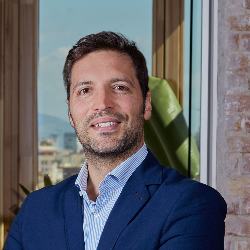 Antonio Limatola, PhD, Senior Associate, Asabys Partners
Senior Associate
Asabys PartnersAntonio Limatola is an early-stage life sciences investor passionate about turning scientific innovation into real patient impact. His work spans venture creation, investment execution, and hands-on portfolio support, collaborating closely with founders on strategy and fundraising. Prior to venture capital, Antonio spent over 9 years in biochemistry, biology, and drug development, bringing both scientific depth and an entrepreneurial mindset to the healthcare innovation ecosystem.
 Jun Lu, Vice President, Intelligent Drug Discovery, PharmaBlock Sciences Inc.
Vice President
PharmaBlock Sciences Inc.
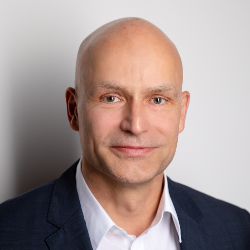 Ulrich T. J. Luecking, PhD, Head, Chemistry, FoRx Therapeutics AG
VP, Head of Chemistry
FoRx Therapeutics AGUlrich Lücking is Vice President and Head of Chemistry at FoRx Therapeutics AG, Basel, and a medicinal chemistry leader with more than 25 years of industrial drug discovery experience.
At FoRx Therapeutics, he has led the discovery of FORX-428, a highly potent and selective oral PARG inhibitor with best-in-class potential that entered clinical development in July 2025.
Previously, as a project leader at Bayer AG and Schering AG, he played a key role in the identification of six clinical candidates, including the CDK9 inhibitor enitociclib and the ATR inhibitor elimusertib.
His research has helped to open up novel chemical space in drug discovery, particularly through innovative applications of sulfoximines, sulfonimidamides and macrocycles.
Ulrich is co-inventor on more than 85 patent applications and co-author of over 25 scientific publications.
He studied chemistry at the University of Hannover, including an Erasmus stay and diploma work in the group of Steven V. Ley at the University of Cambridge.
He obtained his PhD under Andreas Pfaltz at the Max Planck Institute for Coal Research in Mülheim an der Ruhr and completed postdoctoral training with Julius Rebek Jr. at The Scripps Research Institute in La Jolla, CA.
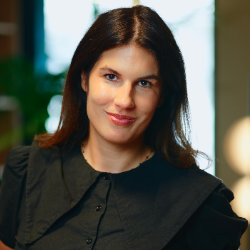 Iva Lukac, PhD, Director, AI in Drug Discovery, Apheris GmbH
Director
Apheris GmbHIva is a Director of AI in Drug Discovery at Apheris, with more than a decade of experience spanning computational chemistry, AI and drug discovery in academia and industry. Her work focuses on applying molecular modelling, structure-based design and machine learning to complex drug discovery challenges. Before joining Apheris, she held scientific roles at Isomorphic Labs, Charnwood Discovery and Drug Discovery Unit in Dundee.
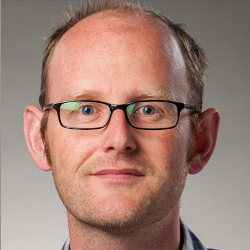 Jody M. Mason, PhD, Professor, Biochemistry, University of Bath
Professor
Univ Of BathJody Mason is Professor of Biochemistry in the Department of Life Sciences at the University of Bath and Chief Scientific Officer of Revolver Therapeutics. His research focuses on discovering peptide-based tools and therapeutics for challenging intracellular targets, particularly transcription factors and other protein–protein interactions. His group develops live-cell peptide screening platforms, including Transcription Block Survival and protein-fragment complementation approaches, alongside chemical and enzymatic strategies for constraining and modifying peptides and proteins inside cells. These approaches are being applied to cancer-associated transcription factors and misfolded proteins linked to neurodegenerative disease. He is a Fellow of the Royal Society of Chemistry and the Royal Society of Biology.
 Hans Melo, PhD, Co-Founder & CEO, Menten AI
Co Founder & CEO
Menten AIHans Melo is co-founder and CEO of Menten AI, Inc., a biotech startup developing a proprietary AI platform to design cyclic peptides with desired properties including high affinity, stability, and membrane-permeability. Hans holds a PhD in Reinforcement Learning from the University of Toronto.
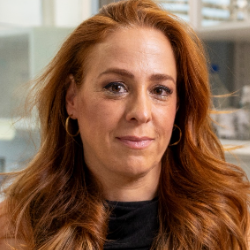 Yifat Merbl, PhD, Associate Professor, Systems Immunology, Weizmann Institute of Science
Associate Professor
Weizmann Institute Of ScienceDr. Yifat Merbl is a professor at the Systems Immunology Department in Weizmann Institute of Science. She earned her PhD in Systems Biology from Harvard Medical School. Her research lies at the intersection of biochemistry, proteomics, and immunology, where she explores how protein regulation and degradation shape immune function and human disease. A major focus of her work is the proteasome - the “cellular garbage can†- and its unexpected roles in immunity. In 2025, her lab discovered that the proteasome generates natural antimicrobial peptides (AMPs), revealing a new mechanism of immune defense and novel translational possibilities for combating antibiotic-resistant infections. Dr. Merbl is the recipient of numerous awards including the Rappaport Prize (2024), CRI Lloyd J. Old STAR (scientists taking risks) Award (2024) and AACR Trailblazer Award (2026). She was named one of Nature’s 10: Ten People Who Shaped Science in 2025. Dr. Merbl is a biotech entrepreneur and co-founder of several companies.
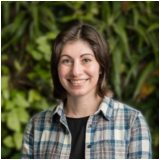 Ani Michaud, Senior Research Scientist 1, Integrated Biology, Promega Corp.
Senior Research Scientist 1
Promega Corp.Ani Michaud is a Senior Research Scientist in the Target Engagement group at Promega, where she builds live-cell, plate-based assays for small molecule drug discovery. Currently, her work centers on developing and applying the BRETSA platform for high-throughput screening. Prior to this, she focused on building NanoBRET target engagement assays for biologically complex targets. Ani holds a PhD in Cellular and Molecular Biology from the University of Wisconsin–Madison.
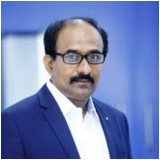 Ravi Kumar Muttineni, Founder & Chief R&D Officer, PozeSCAF Discovery Solutions
Founder & Chief R&D Officer
PozeSCAF Discovery SolutionsDr. Ravi Kumar Muttineni is the Founder and Chief R&D Officer of PozeSCAF and a drug discovery scientist with more than 24 years of experience integrating computational biology, molecular modelling, artificial intelligence, and structure-based design.
At PozeSCAF, he leads multidisciplinary programs that combine AI-driven discovery, physics-based simulations, medicinal chemistry, and experimental biology to identify and optimise differentiated small molecules, peptides, biologics, molecular glues, and targeted protein degraders.
Before founding PozeSCAF, Dr. Ravi gained extensive industry experience at GVK BIO, now Aragen Life Sciences, and spent nearly a decade at Schrödinger. He holds a Ph.D. in Computational Biology and has authored approximately 72 scientific publications. His work is focused on translating advanced computational innovation into practical and commercially relevant drug discovery solutions.
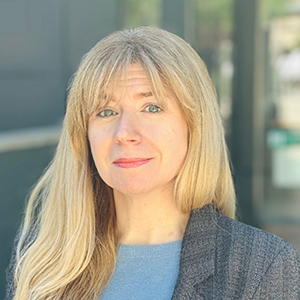 Laura Nevola, PhD, Founder and CSO, IDP Discovery Pharma SL
Founder and CSO
IDP Discovery Pharma SLLaura is co-founder of IDP Pharma and currently serves as the Chief Scientific Officer (CSO) and Chief Operating Officer (COO). She earned her degree in medicinal chemistry and Ph.D. in Pharmaceutical Science from the University of Rome “Sapienza†(Italy). Following her tenure at the laboratory of Prof. Dr. Hamilton at Yale University (USA), she transitioned to the Institute for Research in Biomedicine (IRB Barcelona). With a comprehensive background in medicinal chemistry and biotechnology, she specializes in peptidomimetics. Over the last ten years she has designed several de novo drugs and led multiple drug discovery projects and is member of the Advisory Board of the Peptide Drug Hunting Consortium. Additionally, she holds a Master’s in Executive Education – Marketing Management (IMD-Lousanne). In 2019 Dr. Nevola has been awarded with the European Award for Women Entrepreneur thanks to the achievements of IDP Pharma.
 Radosław Nowak, PhD, Professor of Immune Engineering and Drug Discovery, University of Bonn
Professor
University Clinic BonnRadoslaw Nowak is part of Biochemistry and Structural Biology Group at the Center for Protein Degradation as well as a scientist in the laboratory of Eric Fischer at Dana-Farber Cancer Institute. His research interests revolve around transforming structural, biophysical, biochemical, and proteomic insights surrounding PROTACs and other degrader molecules into predictive computational framework to accelerate degrader discovery and validation. Dr. Nowak received his DPhil from University of Oxford in the group of Prof. Udo Oppermann working on development of inhibitors for histone lysine demethylases, a class of epigenetic readers.
 Mario Oeren, Principal Scientist, Optibrium Ltd.
Principal Scientist
Optibrium Ltd.Mario is a Principal Scientist at Optibrium, where he applies expertise in quantum chemistry and machine learning to support drug discovery research. His work involves developing machine learning and computational chemistry approaches for predicting drug metabolism and other properties relevant to drug discovery. With a PhD in Natural Sciences from TalTech, his academic work focused on computational studies that explored the use of infrared spectroscopy to determine the absolute configuration of flexible molecules and to characterise macrocyclic host–guest complexes.
 Christian Ottmann, PhD, Founder CTO, Ambagon Therapeutics
Founder, CSO
Ambagon TherapeuticsI am working on small-molecule modulation of 14-3-3 Protein-Protein Interactions with a special focus on natural products and fragment-based ligand discovery. I was involved in several early drug discovery projects with the pharmaceutical industry and was initiator and coordinator of the FP7 Industry-Academia Partnership and Pathways (IAPP) 14-3-3STABS and the Horizon2020 European Training Network (ETN) TASPPI. Before taking up my current position at Eindhoven University of Technology and Ambagon Therapeutics, I was a group leader at the Chemical Genomics Centre (CGC) of the Max Planck Society in Dortmund, Germany. Together with Luc Brunsveld (TU/e) and Michelle Arkin (UCSF), we founded Ambagon Therapeutics where I serve as Chief Scientific Officer. In both my academic work and now at Ambagon, I am dedicated towards making the 14-3-3 interactome druggable, developing new small-molecule treatment options for a range of diseases.
 Matt Parkin, Knowledge Transfer Associate, Medicinal Chemistry & Targeted Protein Degradation, University of Dundee
Knowledge Transfer Associate
Univ Of DundeeMatt is a knowledge transfer associate working within a cross academia-industry Knowledge Transfer Partnership (KTP) collaboration between the Centre for Targeted Protein Degradation (CeTPD) at the University of Dundee and BioAscent Discovery. He graduated from the University of York with an MChem in medicinal and biological chemistry where he researched the use of sp2-sp3 Suzuki cross-coupling within fragment based drug discovery. After graduating he worked within the flavour and fragrance industry where he led research into scalable synthetic routes for novel flavour and fragrance compounds. In 2024, he joined the KTP collaboration where his current work is focused on researching and implementing novel high-throughput synthetic methodologies for the synthesis and analysis of hetero-bifunctional degraders.
 Laura Perez Benito, Senior Scientist, Janssen Pharmaceutica NV
Principal Scientist
Janssen Pharmaceutica NVLaura Perez Benito is a Principal Scientist at Johnson & Johnson with a strong background in molecular pharmacology and computational chemistry. She holds a Ph.D. focused on the study of G protein-coupled receptor (GPCR) oligomerization and the design of bivalent ligands using Physic-Based methods such Molecular Dynamics and Free energy perturbations, contributing to the understanding of receptor-receptor interactions and ligand targeting strategies.
Following her doctoral work, she completed a postdoctoral fellowship at Johnson & Johnson, focused on the application of open-source software to perform free energy perturbation (FEP) and integrating FEP methodologies into early-stage drug discovery programs. This work advanced the use of computational tools in real-world pharmaceutical development.
Currently, as a Principal Scientist at Johnson & Johnson, Laura continues to lead innovative efforts in applying computational methods to accelerate drug discovery and improve molecular design strategies.
 Kirill Pevzner, CTO & Co-Founder, Protai
CTO & Co-founder
Protai BioKirill Pevzner is the CTO and Co Founder of Protai, a tech bio drug discovery company applying structural proteomics and AI to small molecule drug design. Prior to founding Protai, he held senior AI, product, and leadership roles across healthcare and hi tech organizations, where he led the development of AI driven products from early proof of concept through large scale deployment, including clinically validated and FDA cleared systems. At Protai, he leads development of the AIMS platform and focuses on protein complex drugs that allosterically inhibit interactions or use induced proximity mechanisms to drive selective protein degradation.
 Andrew Potterton, PhD, CTO & Co-Founder, TernaryTx
CTO & Co-Founder
TernaryTxAndrew Potterton has 10 years leading the development of transformational AI products for drug discovery. He specialises in integrating structural biology, molecular dynamics, and machine learning to identify novel pockets, having published several patents, papers, and talks in the field. A leader of multiple tech teams, they have a proven track record of delivering on products, collaborations, and internal projects. Interest in ML for drug discovery started during PhD at University College London in collaboration with Evotec. The project centred around using ML and molecular simulation to improve GPCR ligand design. At BenevolentAI, Andrew worked across target identification and chemistry product areas. One highlight was delivery of proteome wide druggability and selectivity assessments annotated with protein-structure and chemistry based data and models. In 2024, Chris Tame and Andrew founded Ternary Therapeutics to solve how to engineer molecular glues for any target - effector protein pair.
 Sally-Ann Poulsen, PhD, Professor, Chemical Biology, Griffith University
Professor
Griffith UniversitySally-Ann Poulsen is Professor in Chemistry & Chemical Biology at the Institute for Biomedicine and Glycomics, Griffith University, Brisbane, Australia. Her research focusses on the application of native state mass spectrometry to characterise proteins, protein assemblies and their interactions of relevance to modern drug discovery modalities. She established the Ramaciotti Australian Native Mass Spectrometry (nMS) Platform at Griffith University in 2024 with the first-in-Australia high resolution native charge detection mass spectrometer (nCDMS) that allows mass measurements for large multiprotein assemblies in their native state (i.e., folded and biologically relevant context) inclusive of post translation modifications. She also has research expertise in design and synthesis of new chemical probe reagents where there is unmet need, specifically focussing on infectious disease. She was appointed as a Fellow of the Royal Australian Chemical Institute (RACI) in 2017 and was Chair of the RACI Medicinal Chemistry and Chemical Biology Division 2021-2023.
 Markus Queisser, PhD, Scientific Director, Protein Degradation, GSK
Scientific Director
GSKMarkus got fascinated by the process of protein degradation early on during his Master’s thesis at Free University in Berlin, where he worked on proteasomal functions and ubiquitin-binding proteins. He further gained broad knowledge in respiratory diseases, inflammation, and oncology while pursuing a Ph.D. in molecular biology and medicine of the lung in Germany and at Albert Einstein College of Medicine in New York. He moved on to a postdoctoral fellowship at Northwestern University in Chicago, where in collaboration with Noble Laureate Aaron Ciechanover, he discovered a hypoxia-regulated ubiquitin-ligase. Prior to joining GSK, he specialized in ubiquitin-ligase recruitment in ER-associated protein degradation at the Ludwig Institute for Cancer Research in Oxford. Currently, he is Scientific Director in the Protein Degradation Group, leading the technology team and leading multiple collaborations with biotech and academia.
 Olivier Querolle, PhD, Senior Director, Medicinal Chemistry, FoRx Therapeutics
Senior Director
FoRx TherapeuticsI am a drug discovery leader with 20 years of industrial experience in small molecule research and, currently Senior Director Chemistry at FoRx Therapeutics AG. I started my career working for a small biotech named Endotis Pharma and then, moved to Johnson and Johnson. There, as a team or project leader, I contributed to the several oncology programs working on different target classes such as kinases or epigenetics targets. These efforts culminated to the nomination of 2 clinical candidates including notably Bleximenib, a Menin inhibitor currently being evaluated in several clinical trials. In 2022, I joined FoRx Therapeutics, a clinical-stage biotechnology company developing compounds for cancer treatment by focusing on drugging key molecular targets involved in DNA replication stress. There, our discovery efforts led to the identification of FORX-428, a PARG inhibitor currently in Phase 1 as well as several other lead compounds targeting novel proteins involved in the DNA repair pathway.
 Christin Rakers, PhD, Principal Scientist, Computational Chemistry, Discovery & Development Technologies, Merck Healthcare KGaA
Principal Scientist
Merck Healthcare KGaA
 Arvind Rao, PhD, Associate Professor, Department of Computational Medicine and Bioinformatics, University of Michigan
Associate Professor
University of MichiganArvind Rao is an Associate Professor in the Department of Computational Medicine and Bioinformatics at the University of Michigan. His group uses image analysis and machine learning methods to link image-derived phenotypes with genetic data, across biological scale (i.e. single cell, tissue and radiology data). Such methods have found application in radiogenomics and drug repurposing based on phenotypic screens. Arvind received his PhD in Electrical Engineering and Bioinformatics from the University of Michigan, specializing in transcriptional genomics, and was a Lane Postdoctoral Fellow at Carnegie Mellon University, specializing in bioimage informatics.
 Venkat Reddy, PhD, CSO, General Inception
CSO
General InceptionDr. Venkat Reddy is Chief Scientific Officer at General Inception, a US and European venture builder, where he directs scientific strategy and the translation of research into investable, commercially viable companies in healthcare and life sciences, including tools, diagnostics, synthetic biology, and therapeutics. A drug developer and operator with deep experience across immunology and oncology, he has held CEO and CSO roles at both European and US companies and has advanced multiple small and large molecules through development in oncology and autoimmune disease.
He has built and led companies as CEO and CSO of Macrophage Pharma and as Co-founder and CEO of APC Therapeutics, and earlier held senior management roles of increasing responsibility at Sanofi, Pfizer, Novartis, and Glenmark Pharmaceuticals. He currently serves on the boards of Tactile Therapeutics, which he co-founded, Pharmacelera, ReseolveM Therapeutics, and Pademic Science Hub at the University of Edinburgh.
Venkat holds an MS in Biotechnology and a PhD from Ludwig-Maximilians-Universität München, specializing in immunology and oncology, followed by postdoctoral research in immunology at the Scripps Research Institute. Across his career, he has led research teams, managed end-to-end development pipelines, and built ventures, with a consistent track record of turning frontier science into products and strategies that address unmet medical needs.
 Lena Ripa, PhD, Director, Medicinal Chemistry, AstraZeneca
Director
AstraZenecaLena Ripa is Director of Medicinal Chemistry at AstraZeneca’s Discovery Science unit in Gothenburg, leading medicinal chemistry efforts in small molecule drug discovery for both oral and inhaled delivery. Her recent work focuses on applying PROTACs to enable inhaled therapeutic approaches and to strengthen target validation and devalidation in respiratory, inflammatory, and autoimmune-related diseases. She earned her PhD in medicinal chemistry from Uppsala University and completed postdoctoral research at the University of Pittsburgh before joining AstraZeneca in 2000. Over her career, she has contributed to preclinical programs in respiratory and inflammatory conditions.
 Malgorzata Rogalska, PhD, Investment Analyst, Ysios Capital Partners
Associate
Ysios Capital PartnersBiotechnology investor and molecular biologist with more than 15 years of combined experience across scientific research, therapeutic development and venture capital. Associate at Ysios Capital, working on early-stage biotechnology investments and company creation. Evaluates emerging science, therapeutic platforms and academic spin-outs, combining scientific judgement with assessment of development feasibility, commercial potential and investment readiness.
 Sam M. Rowe, PhD, Principal Scientist, Chemical Biology, GSK
Principal Scientist
GSKSam is a Principal Scientist is the Chemical Biology Department at GSK. Prior to this, he completed a PhD in peptide chemistry at the University of Cambridge. Since joining GSK in 2021, Sam has worked extensively on the identification and optimisation of covalents hits and leads for drug discovery, with a particular focus on embedding Direct-to-Biology workflows.
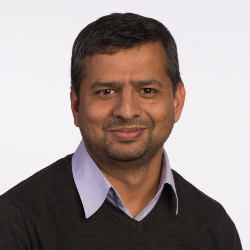 Gopal Sapkota, PhD, Programme Leader, MRC Protein Phosphorylation & Ubiquitylation Unit, Sir James Black Centre, School of Life Sciences, University of Dundee
Professor
University of DundeeGopal is a tenured programme leader at the MRC Protein Phosphorylation and Ubiquitylation Unit at Dundee University. Originally from Nepal, Gopal obtained a Masters in Biochemistry degree from University of Bath in 1999 and Ph.D. in Biochemistry from University of Dundee in 2003. He received the prestigious Damon Runyon Cancer Research Fellowship to undertake postdoctoral research in Joan Massagué’s laboratory at Memorial Sloan-Kettering Cancer Center in New York. His research group studies the molecular mechanisms that underpin cellular signal transduction pathways, in particular through reversible protein ubiquitylation and phosphorylation processes, and their interplay, in human cells and diseases. His lab is involved in developing innovative technologies that harness the ubiquitin proteasome system to enable targeted protein degradation in cells that allow one to interrogate fundamental research questions and help expedite drug discovery.
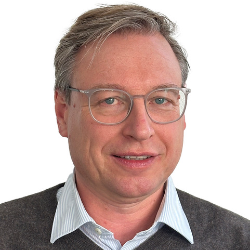 Jörg Scheuermann, PhD, Professor, Department of Chemistry & Applied Biosciences, ETH Zurich
Professor
ETH ZurichJörg Scheuermann studied Chemistry at the University of Heidelberg (Germany) and at the ETH Zurich (Switzerland). He performed his Ph.D. studies at the ETH Zurich under the supervision of Prof. Dario Neri working on the identification of novel small binding molecules to markers of angiogenesis. In 2002, with the renaissance of the idea of DNA-encoded Chemical Libraries, together with Dario Neri he pioneered DNA-encoded Chemical Library (DEL) technology with the setup and development of Encoded Self-Assembling Chemical (ESAC) Libraries. He continued working with Dario Neri on innovating DEL technology, he co-authored >80 peer-reviewed publications on DEL (together with Dario Neri he holds the highest publication track record in the field) and he is co-inventor of 3 DEL-related patents. In 2018 he wrote his habilitation thesis on "DNA-Encoded Chemical Library Technology for Drug Discovery†and received his Venia legendi and teaches various classes at ETH Zurich in the fields of Drug Discovery and Gene Technology. Jörg currently is Principle Investigator at the ETH Zurich heading the group "DNA-encoded libraries/DEL technology) with 1 senior scientist, 2 postdoctoral fellows and 5 PhD students. Jörg is co-founder and organizer of the “International Symposium on DNA-Encoded Chemical Librariesâ€, a yearly alternating event between ETH Zurich/Switzerland, Boston/US and Shanghai/China. Jörg's main research interests lie in the innovation of DEL technology, e.g., the development of novel DEL architectures, selection methodologies and the tailored construction of DELs for difficult targets. Recently, he conceived and published a novel DEL technology ("PureDEL"), which allows for creating very large and diverse libraries of chemically synthesized macrocycles.
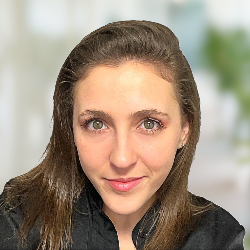 Eleonore Schmidt, PhD, Scientist, DNA Encoded Library Technology, F. Hoffmann-La Roche Ltd.
Scientist
F. Hoffmann-La Roche LtdEleonore Schmidt is a scientist in Lead Discovery at Roche in Basel, within the DNA-Encoded Library Technology (DELT) team. She earned her PhD through a joint industrial program between the Institute for Advanced Studies in Pavia and Philochem AG, under the supervision of Prof. Dario Neri, where her research focused on the synthesis of novel affinity maturation libraries and the isolation of specific binders against tumour-associated antigens. In 2023, she joined Roche’s DELT group, contributing to library synthesis, screening strategies, and cross-functional discovery projects. Her current work focuses on advancing screening approaches for challenging targets and translating experimental data into actionable insights for early-stage drug discovery.
 Bjoern Schwalb, Head of Data Science, NEOsphere Biotechnologies GmbH
Head of Data Science
NEOsphere Biotechnologies GmbHDr. Schwalb is a computational proteomics expert specializing in proteomics driven AI/ML, large-scale data analysis, statistical modeling, and data visualization. With extensive experience in building end-to-end software ecosystems for automated mass spectrometry data processing, high-throughput transcriptomics pipelines, and high-performance computing, he has a strong foundation in translating complex biological datasets into actionable insights. Dr. Schwalb holds a PhD in Computational Biology from Ludwig Maximilian University of Munich and a certificate in Machine Learning from Stanford University.
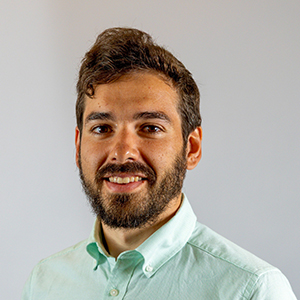 Victor Sebastian Perez, PhD, Head of Computational Drug Design, EMEA, SandboxAQ
Head of Computational Drug Design, EMEA
SandboxAQVictor currently serves as Head of Computational Drug Design at SandboxAQ. He earned his BSc and MSc in Pharmacy, and PhD in medicinal chemistry focused on drug discovery for infectious diseases using ligand and target-based approaches at the Spanish National Research Council (CSIC) and Universidad Complutense (UCM) completing part of his research at the University of Cambridge and Universidad Nacional del Sur (UNS). During this time, Victor participated in multiple CNS and infectious diseases projects including a European Consortium with public and private entities aiming at targeting neglected parasitic diseases.
Victor worked 5 years at Exscientia where he led the computational design strategy for several drug discovery programs, and applied AI tools to advance drug discovery programs at different stages towards lead optimisation and the identification of drug candidate compounds in oncology, immuno-oncology and rare diseases areas.
Victor has received several awards from scientific societies and pharmaceutical companies, including the European Federation of Medicinal Chemistry (EFMC), Spanish Society of Medicinal Chemistry (SEQT), Menarini, Royal Spanish Society of Chemistry (RSEQ) and Eli Lilly.
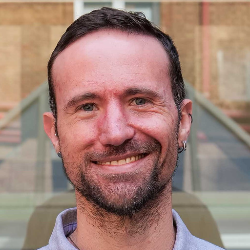 Ricardo AM Serafim, PhD, Assitant Professor, Organic & Pharmaceutical Chemistry, IQS Chemical Institute of Sarria Barcelona, Spain
Assistant Professor
IQS Chemical Institute of SarriaRicardo A. M. Serafim studied pharmacy at the Catholic University of Santos, Brazil, and earned his Ph.D. at the University of Sao Paulo, Brazil, working with antiparasitic compounds. During his Ph.D. studies, he had research stays at the University of Campinas, Brazil, and the University of Pennsylvania, USA, developing new methods in organic synthesis. In 2016, he joined the Structural Genomics Consortium at the University of Campinas as a postdoc researcher in charge of establishing the synthetic MedChem lab. While being an SGC member, he did research stays at the University of North Carolina at Chapel Hill, USA, and the University of Tu¨bingen, Germany, where he stayed as a postdoc until Aug/2024. In Sep/2024, he moved to Spain to start his independent career as Assistant Professor of Medicinal Chemistry at the IQS-Barcelona and in Mar/2025 started to serve as Associate Editor of the scientific Journal “Archiv der Pharmazie†from the German Pharmaceutical Society. His scientific interest in the fields of Medicinal Chemistry and Chemical Biology is mainly focused on development of reversible and irreversible kinase inhibitors and degraders for the generation of chemical probes to investigate the therapeutic potential of the understudied kinome.
 Anjani Shah, PhD, Senior Conference Director, Cambridge Healthtech Institute
Senior Conference Director
Cambridge Healthtech InstituteI produce conferences in the drug discovery space, mostly on medicinal-chemistry related topics, for Cambridge Healthtech Institute. My portfolio includes multiple conference tracks at: Discovery on Target (Boston), Drug Discovery Chemistry (San Diego), and our newest launch: Drug Discovery Chemistry Europe (Barcelona). I've worked in biomedical communications for over 25 years—jumping into it as a science writer for a communications agency whose clients were biotech companies, right after earning my PhD in cell biology from the Albert Einstein College of Medicine. My undergraduate degree is from Princeton University where I majored in biology with a minor in 'Science in Human Affairs' which involved a lot of writing and I think foreshadowed my desire for a non-conventional scientific career path that enables me to play broader but indirect role in scientific innovation.
 Justyna Sikorska, PhD, Associate Principal Scientist, Mass Spectrometry & Biophysics, Merck Sharp & Dohme (MSD)
Associate Principal Scientist
Merck Sharp & Dohme (MSD)Justyna Sikorska is an NMR spectroscopist with her research interests comprising different aspects of the drug discovery process. Justyna completed her MS in the Faculty of Pharmacy, Medical University of Warsaw (2007), and her PhD in the Kerry McPhail group at the College of Pharmacy, Oregon State University (2012). During this time, her research was centered around natural product drug discovery and application of numerous spectroscopic techniques to screening, isolation, structure elucidation of natural products. In 2012 Justyna moved to EMBL Heidelberg to join Teresa Carlomagno group and worked on the application of Intermolecular NOEs for Pharmacophore Mapping (INPHARMA) method enabling determination of the ligand-binding mode. Since 2016, she is a member of the BioNMR group at Merck, where her research focuses on the implementation of NMR to various aspects of the drug discovery process.
 Garrick Paul Smith, PhD, Scientific Director, Amgen
Scientific Director
AmgenGarrick Smith has a PhD (1991) in Synthetic Organic Chemistry from the University of Reading, UK. He then joined Ciba-Geigy Pharmaceuticals, UK (later Novartis) working in projects in Thrombosis and Respiratory Diseases. In 1997 he moved to Denmark and joined H. Lundbeck A/S, Copenhagen as a medicinal chemist working on a range of targets within CNS. In 2017 he moved to Nuevolution, Copenhagen which was acquired by Amgen 2019 and is now Amgen Research Copenhagen. He leads Discovery Unit 3 using the DNA encoded library (DEL) screening and associated platforms for hit id and optimization in several early projects across multiple disease areas.
 Robert Soliva, PhD, Associate Director, Data Science, Almirall SA
Associate Director
Almirall SAHe took a BSc in Molecular Biology and Biochemistry at the University of Barcelona (UB), finishing studies in the UK. Later, he got a PhD in computational chemistry with Professor Modesto Orozco (UB- IRB-Institute of Research in Biomedicine). He worked at the Drug Discovery unit of Laboratorios Uriach/Palau Pharma for 11 years, during which he actively contributed to the development of several clinical candidates. Afterwards, he worked during 6 years at the IP law firm ZBM Patents&Trademarks, successfully passing the first exam of the EPO. In 2016 he co-founded and launched the company Nostrum Biodiscovery, the first spin off of the BSC (Barcelona Supercomputing Center) and IRB . At Nostrum he acted first as CSO and then as CSO/CEO, taking the company from 0 to 14 employees. He later took on the role of Head of Drug Discovery for Oryzon Genomics. He is currently Associate Director at the R+D Data Science Dpt. of Almirall.
 Asad Taherbhoy, PhD, Senior Director, Discovery, Foghorn Therapeutics
Senior Director, Discovery
Foghorn TherapeuticsAsad Taherbhoy is Senior Director of Discovery at Foghorn Therapeutics, where he leads platform and project teams focused on targeting chromatin remodeling mechanisms using diverse small molecule modalities, including enzyme and PPI inhibition, targeted protein degradation, and induced proximity. Previously, Asad worked on E3 ligase-focused drug discovery at Nurix. He completed his postdoctoral training at Genentech and earned his PhD at St. Jude Children’s Research Hospital with Brenda Schulman, studying the ubiquitin pathway.
 Edward Tate, PhD, Professor, Chemical Biology, Imperial College London
Professor
Imperial College LondonEd is Professor of Chemical Biology at Imperial College London, a Group Leader at the Francis Crick Institute, and academic founder of Myricx Pharma, a spinout developing his lab’s research into clinical applications. Following his PhD (2000) with Steve Ley in Cambridge and postdoctoral research in Paris as an 1851 Fellow and Howard Trust Fellow, he was awarded a BBSRC David Phillips Fellowship in 2006 to start his group at Imperial College. He sits on the advisory boards of several international research institutes and biotechs, and co-develops drug discovery technologies with companies including Pfizer, Merck, GSK, AstraZeneca, Kura Oncology, and ADC Technologies. His research has been recognised by multiple awards and Fellowships, most recently the 2019 Sir David Cooksey Translation Prize, the 2020 Corday-Morgan Prize of the Royal Society of Chemistry and a Cancer Research UK Programme Award.
 Chris Taylor, Director Applied Sciences, Promethium, QC Ware
Director Applied Sciences
QC WareChristopher (Chris) Taylor is Director of Applied Science at Promethium, by QC Ware. Chris has had a long and diverse career with over 120 publications in computational chemistry & materials science. His research has including developing population analysis methods, studying organometallics and catalysis, modeling corrosion and electrochemistry with DFT, machine-learning and data science, and applying GPU-accelerated methods to biochemistry and pharmaceuticals. At Promethium, Chris works to help customers realize the advantages of GPU accelerated DFT to result in breakthroughs in their research.
 Dominic Tisi, PhD, Senior Director, Discovery Technologies, Astex Pharmaceuticals Ltd
Senior Director
Astex Pharmaceuticals LtdDominic received his degree in Biochemistry from the University of Sheffield and his PhD in protein crystallography from Birkbeck College, London. During his PhD, Dominic work at GlaxoSmithkline studying the structure and function of small G proteins. Following this, Dominic performed postdoctoral research at Imperial college, London investigating and structurally characterising proteins of the extra-cellular matrix. Dominic joined Astex Pharmaceuticals in 2000 and is a Senior Director in the Discovery Technologies group. Dominic has led numerous Internal and collaborative projects across multiple therapeutic areas deploying X-ray crystallography, Cryo-EM and other biophysical methods on early-stage FBDD projects.
 Frederik van den Broek, Senior Director, Corporate Life Sciences Solutions, Elsevier
Senior Director
ElsevierIn Elsevier’s Professional Services team, Frederik van den Broek leads the global consultancy practice on data integration, semantic technology and AI/analytics projects throughout the life science, chemistry and engineering domains using commercial, proprietary, and public data sources. He holds a doctorate in Chemical Physics from the University of Amsterdam / FOM Institute AMOLF and a master’s degree in chemistry from Utrecht University.
 Satpal Virdee, PhD, Professor & Program Leader, Chemical Biology, MRC Protein Phosphorylation & Ubiquitylation, University of Dundee
Professor & Program Leader
University of DundeeSatpal Virdee holds a Chair in Chemical Biology at the MRC Protein Phosphorylation and Ubiquitylation Unit at the University of Dundee. He is interested in E3 ligases at the biochemical, structural and cellular level. His lab has pioneered the development of probe technologies that enable proteome scale activity-based profiling of E3 ligase activity. This technology allows one to address which E3 ligases are switched on and off during fundamental cellular processes and identify those that belong to undiscovered classes. His lab has discovered novel E3 types with roles in cancer, neurodegeneration and infectious disease. Furthermore, this technology can be leveraged to identify E3 ligases with restricted activity profiles that might enable the development of tissue-specific degraders.
 Ben Whitehurst, PhD, Associate Principal Scientist, AstraZeneca
Associate Principal Scientist
AstraZenecaBen is an Associate Principal Scientist in AstraZeneca’s Hit Discovery team and co-lead of the company’s DNA-Encoded Library platform. He is a medicinal chemist with extensive experience in hit discovery and lead generation across a broad range of target classes and therapy areas. Ben completed his PhD in 2016, conducting research on hit finding against novel tuberculosis drug targets through a collaboration between GlaxoSmithKline in Stevenage, UK, and the University of Strathclyde in Glasgow. Following this, he joined Heptares Therapeutics in Cambridge, UK, now Nxera Pharma, where he worked on multiple hit-finding and lead-optimisation projects targeting GPCRs, contributing to several patent filings.
In 2019, Ben joined AstraZeneca as a Senior Scientist in the fragment-based lead generation team. In his current role, he leads hit-finding campaigns against diverse and novel targets across multiple therapy areas, with a particular focus on interpreting and progressing DEL screening outputs to support discovery programmes.
 Moreno Wichert, PhD, Principal Scientist, Small Molecule Research, F. Hoffmann-La Roche Ltd.
Principal Scientist & Functional Leader
RocheMoreno Wichert is a Principal Scientist in the DNA-Encoded Library Technology (DELT) team at Roche. He studied biochemistry at ETH Zurich and completed his PhD in the group of Prof. Dario Neri, working on self-assembling DELs and tumor targeting. His work led to a CAIX-targeting ligand now in clinical trials as a radioligand-based theranostic agent. He has authored over ten publications, filed more than five patent applications, and co-edits the forthcoming book DNA-Encoded Libraries: Principles and Applications.
 Catherine Wilson, PhD, Group Leader & Associate Professor, Pharmacology, University of Cambridge
Group Leader & Associate Professor
University of CambridgeDr. Catherine Wilson is as an Associate Professor within the University of Cambridge’s Department of Pharmacology and the Gurdon Institute. Her academic career began with a PhD from the Institute of Medical Genetics at Cardiff University, followed by pivotal post-doctoral roles at the Wellcome Trust Sanger Institute and the University of Cambridge’s Department of Biochemistry. Dr. Wilson’s research is positioned at the intersection of cancer biology and regenerative medicine, investigating how genes that drive uncontrolled growth in cancer can be harnessed to promote tissue repair. Her group employs a sophisticated suite of cutting-edge technologies and complex cell models. Her vision is to pioneer transformative, mRNA-based regenerative therapies to address the global burden of heart failure and create new treatment strategies for hard-to-treat cancers.
 Jeremy Wohlwend, PhD, CTO, Boltz
CTO
BoltzJeremy is a recent PhD graduate from MIT, advised by Regina Barzilay. Jeremy's research focuses on biomolecuar modeling and applications in immunology. Jeremy is one of the authors of Boltz-1 and Boltz-2, leading open-source models for structure and binding affinity prediction.
 Trevor A. Zandi, PhD, (formerly Novartis), Associate Research Scientist, Craig Crews Lab, Yale University
Associate Research Scientist
Yale UniversityTrevor A. Zandi, PhD, is an Associate Research Scientist in the Professor Craig M. Crews Laboratory at Yale University where he is inventing the next-generation of therapeutic modalities in induced proximity. He completed a degree in computer science/bioinformatics at UC San Diego and earned a PhD in Molecular Biophysics within the lab of Professor Craig A. Townsend at Johns Hopkins University. He discovered and characterized novel molecular glues with advanced DNA-encoded library technology while a Postdoctoral Fellow at Novartis Biomedical Research and Visiting Scientist at the Broad Institute of Harvard and MIT, co-mentored by Professor Stuart L. Schreiber and Dr. Gregory A. Michaud. Dr. Zandi was previously a Senior Scientist I within the small molecular therapeutics group at Arena BioWorks.